Brighton, Michigan Flooded Basement Cleanup Service

Water damage can spread quickly through a basement, home, rental property, or business. Michigan Disaster Pros provides 24-hour emergency service for basement flooding, burst pipes, sump-pump failures, sewer backups, storm water, and other water losses in Brighton and Livingston County. Our team extracts standing water, begins controlled drying, and helps you understand what needs to happen next.
We help homeowners, landlords, property managers, and commercial property owners respond to wet building materials and damaged contents. The first visit focuses on finding the source, identifying affected areas, checking moisture, and making the property safer. This early assessment helps limit additional damage and creates a practical plan for cleanup and restoration.
Need Water Damage Help in Brighton? Call (248) 256-2870
Certified technicians from the IICRC use professional extraction and drying equipment suited to the property and the type of water loss. You can expect clear updates, moisture documentation, and a drying plan that is adjusted as conditions change. If repairs are needed after cleanup, we can help identify the next steps without treating every water loss as the same problem.
Water Removal and Basement Drying for Brighton Properties
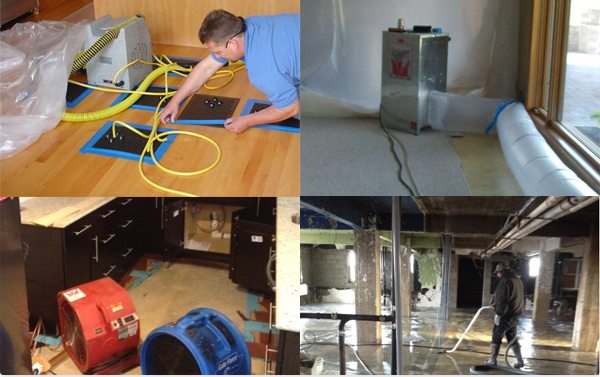
A flooded basement is more than a pool of water on the floor. Moisture can move into drywall, flooring, insulation, framing, cabinets, and stored belongings. Water may also travel behind finished surfaces where it is difficult to see. Our work is designed to remove affected water, reduce remaining moisture, clean the area, and help prevent avoidable secondary damage.
We serve single-family homes, condominium units, apartment properties, rental housing, offices, retail spaces, and other commercial buildings. Landlords and property managers often need organized documentation for several occupants or units, while business owners may need a plan that protects usable areas and supports a safe return to normal operations.
- Basement flooding and sump-pump failures
- Burst, frozen, or leaking pipes
- Appliance and water-heater leaks
- Storm-related water intrusion and roof leaks
- Sewer or drain backups requiring careful cleanup
- Contents cleaning, handling, and pack-out planning when appropriate

Why a Structured Restoration Process Matters
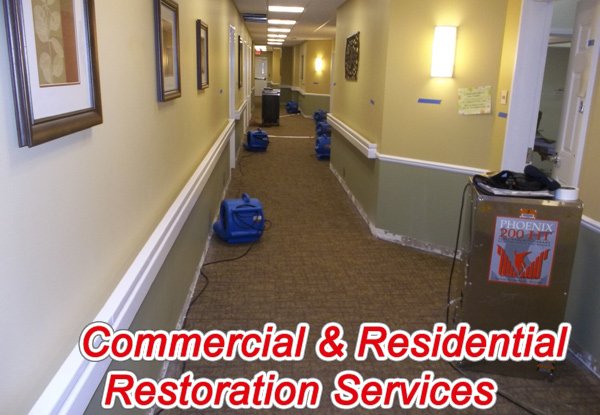
Removing visible water is only the beginning. We look for hidden moisture, record readings during the project, and use air movement and dehumidification to support controlled drying. This approach helps the property owner see what has been affected and why equipment remains in place.
Who We Help After a Water Loss
Our restoration team works with people who need a clear path forward, including homeowners dealing with a flooded lower level, landlords coordinating cleanup between tenants, property managers handling multiple rooms or units, and commercial owners protecting equipment, inventory, and usable space. Each property receives an assessment based on its layout, materials, water source, and current moisture conditions.
Brighton Property and Community Context
Brighton includes an established downtown commercial core alongside newer commercial and mixed-use development. The Downtown Brighton Development District reflects this mix of historic and newer buildings, ground-floor businesses, public spaces, parking areas, and housing near services. Different construction types can change how water moves and which materials need to be removed or dried.
The City of Brighton provides municipal water and sewer services and maintains public infrastructure, but responsibility for storm-sewer systems and drainage can differ by location. Livingston County also maintains drainage functions and documented drains in the area. A property owner should confirm the responsible agency for a specific parcel rather than assume that every drainage issue has the same source or owner.
The nearby Brighton Recreation Area and the county’s inland lakes and waterways help explain why lake-adjacent and low-lying conditions can vary from one property to another. Local water exposure is parcel-specific. A professional assessment can help distinguish interior plumbing problems from stormwater, groundwater, or drainage-related intrusion.
How Brighton Seasons Can Affect Water-Loss Risk
Spring snowmelt, freeze-thaw cycles, and saturated ground can increase basement seepage, sump-pump demand, and localized drainage problems. Late spring through summer thunderstorms may cause ponding, drain overload, or water entry through damaged roofing and siding. In fall, leaves can obstruct gutters, roof drainage, catch basins, and other stormwater inlets. Winter cold, ice, frozen plumbing, and rapid thaws can contribute to burst pipes or new water entry. These are regional possibilities, not predictions for every Brighton address.
What a Typical Water-Loss Project May Look Like
Hypothetical example: A homeowner in a Brighton subdivision discovers several inches of water in a finished basement after a sump-pump failure during a heavy storm. The restoration team documents the affected rooms, extracts standing water, checks the walls and flooring for hidden moisture, and moves salvageable belongings away from the wet area. Drying equipment is placed based on the readings and room layout, with monitoring visits used to track progress. Once the basement is dry, the homeowner receives a review of cleaning and repair needs, which may include replacing damaged lower drywall and flooring.
Serving Brighton and Nearby Communities
Michigan Disaster Pros serves Brighton and surrounding Livingston County communities, including Howell, Pinckney, South Lyon, and Fenton. Conditions can vary between city neighborhoods, subdivisions, condominium communities, rural-suburban properties, and commercial areas, so the restoration plan is based on the individual building and water source.

Plan the Next Step After Water Damage
If water is still entering the property, stop the source when it is safe to do so and avoid electrical hazards in wet areas. Move people and pets away from contaminated water, and do not disturb materials that may contain sewage or other harmful contaminants. A prompt assessment can help identify the affected areas and establish the right order for extraction, drying, cleaning, and repair planning.
Michigan Disaster Pros provides water damage restoration for Brighton homes, rental properties, and businesses. Our certified technicians from the IICRC use documented moisture checks and controlled drying methods to help property owners move from an urgent water loss toward a safer, clearer recovery plan.
For immediate help with water damage in Brighton, call (248) 256-2870 to discuss what happened and the next steps for your property.
Water Damage Cleanup Pricing
Restoration pricing depends on the water source, affected areas, building materials, contents, and the work required for extraction, drying, cleaning, and repairs. The plugin will provide the applicable pricing details separately.
- Small water loss: $1,000–$3,500+
- Moderate water loss: $5,000–$10,500+
- Large water loss: $10,500+
These prices are general reference points and are not a quote or estimate for a specific property. Actual restoration costs depend on the source and category of water, affected square footage, materials involved, length of exposure, equipment needs, demolition, cleaning, drying time, and repairs. The property must be evaluated before an accurate scope and price can be determined.
Frequently Asked Questions
What should I do first if my Brighton basement floods?
If it is safe, stop the source of the water and keep people away from wet areas with electrical hazards or contaminated water. Contact a restoration professional for an assessment, extraction, and drying plan.
Can you help with a sump-pump failure?
Yes. A sump-pump failure can leave standing water and hidden moisture in flooring, drywall, and framing. The affected areas should be assessed, extracted, dried, and monitored.
Do you serve commercial properties and rental buildings?
Yes. Water damage restoration can be planned for homes, rental properties, condominium communities, offices, retail spaces, and other commercial buildings.
How do technicians know when a basement is dry?
Technicians use moisture readings and follow-up monitoring to compare affected materials with appropriate dry conditions. Equipment placement and drying steps can be adjusted as readings change.
Can water damage be hidden behind walls or floors?
Yes. Water can move behind drywall, under flooring, or into insulation and framing. An assessment helps identify areas that are not visible during a basic inspection.
What happens after standing water is removed?
The team checks affected materials, sets up air movement and dehumidification as needed, monitors moisture, and completes cleaning steps. Repair needs are reviewed after the property is sufficiently dry.
Can you clean belongings affected by water?
Some contents may be cleaned or dried, depending on the material, water source, and condition. Items should be evaluated before cleaning, disposal, or off-site handling is planned.
Does every Brighton property have the same flood risk?
No. Drainage, elevation, lake proximity, plumbing, building design, and storm-sewer responsibility can vary by parcel. A property-specific assessment is needed to understand the likely source and affected areas.