Rochester Hills, Michigan Water Damage and Flooded Basement Cleanup

When water enters a basement, home, or business, the immediate goal is to stop the spread, remove standing water, and protect the building from additional damage. Michigan Disaster Pros provides 24 Hour Emergency Service for plumbing leaks, sump-pump failures, sewer backups, storm water, appliance leaks, and other water-loss emergencies in Rochester Hills and Oakland County.
We help homeowners, landlords, property managers, and commercial property owners manage water damage in houses, condominiums, apartment buildings, offices, retail spaces, and other occupied buildings. Our IICRC-certified technicians assess the affected areas, explain what needs to happen next, and work carefully around personal belongings, tenants, employees, and normal business operations.
Need Water Damage Help in Rochester Hills? Call (248) 256-2870
A water loss is not fully resolved when the visible water is gone. Moisture can remain under flooring, behind walls, or inside framing. We use moisture checks, controlled drying equipment, and documented monitoring to guide the work. You can expect clear updates as the property moves from emergency assessment to extraction, drying, cleaning, and repair planning.
What Our Water Damage Cleanup Service Includes
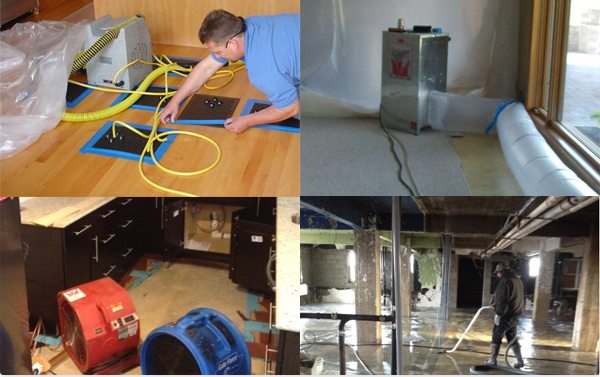
Our technicians begin by looking for the source of the water, the areas affected, and conditions that may create safety concerns. We then identify practical steps to limit further damage. Depending on the property and the type of water involved, the work may include:
- Water extraction from basements, floors, and other affected areas
- Structural drying with air movers and dehumidification equipment
- Moisture documentation and regular drying checks
- Cleaning and deodorizing affected materials and contents
- Contents handling or pack-out planning when belongings need protection
- Cleanup after sewer backups, storms, burst pipes, frozen plumbing, or sump-pump failures
- Repair planning when drywall, flooring, trim, insulation, or other materials cannot be restored
Water damage can affect a single room or spread through connected spaces. We adjust the plan to the building, the water source, and the materials involved rather than treating every loss the same way.
How the Restoration Process Works
The normal process starts with an assessment and a conversation about what happened. After the source is controlled when possible, standing water is removed. Equipment is placed to move air and control humidity, and moisture readings help show whether affected materials are drying as expected. Technicians monitor progress and communicate changes before cleaning or repair decisions are made.
Cleaning may include affected surfaces and contents, depending on their condition and the type of water involved. If materials are swollen, contaminated, or unable to dry properly, the next step is a repair plan. The goal is to make the property safer, drier, and ready for the next stage of recovery without overlooking hidden moisture.

Water Damage Risks in Rochester Hills
Rochester Hills is an Oakland County city with established suburban neighborhoods, subdivisions, condominiums, planned communities, commercial corridors, and newer redevelopment. The local property mix also includes older mixed-use buildings in the Brooklands District, where closely spaced commercial structures and upper-floor residential areas can make access, contents handling, and drying more involved.
Drainage conditions matter as well. Rochester Hills includes areas connected to the Clinton River watershed, including the Cranberry Marsh Drain-Clinton River subwatershed. The City of Rochester Hills and Oakland County maintain public works, mapping, emergency-management, water-resources, and community-development functions relevant to local properties. A property can still experience basement seepage, overland flow, drainage problems, or a sewer backup even when it is outside a mapped high-risk flood area.
How Local Seasons Can Affect Water Losses
Rochester Hills properties face different water-loss risks as the seasons change. Winter freezing and freeze-thaw cycles can contribute to burst pipes, roof leaks, frozen plumbing, snowmelt, and basement seepage. Late winter and spring rain combined with melting snow can leave soils saturated and drainage systems under pressure. From spring through early fall, thunderstorms may cause roof leaks, overwhelmed drainage, standing water, or tree-related damage. Summer storms can produce intense rainfall in a short time, while fall leaves may block gutters, roof drains, catch basins, and stormwater inlets. Plumbing failures, appliance leaks, sewer backups, and sump-pump problems remain possible year-round.
Serving Rochester Hills and Nearby Communities
Michigan Disaster Pros serves water-damage customers in Rochester Hills and the surrounding area, including homeowners, rental-property representatives, and commercial property owners. Nearby service-area context includes Auburn Hills, Troy, and Shelby Township, along with Rochester, Oakland Township, Pontiac, and Orion Township.
Whether the loss begins with a failed appliance, a backed-up drain, a storm, or frozen plumbing, early assessment can help limit the area affected and clarify the next steps. Our team can explain the condition of the property, document drying progress, and help organize the transition from emergency cleanup to repair planning.

For immediate help with water damage in Rochester Hills, call (248) 256-2870 to discuss what happened and the next steps for your property.
Water Damage Cleanup Pricing
Water damage cleanup pricing depends on the source, affected areas, water conditions, materials, contents, and drying needs. The restoration team can explain the work identified during the assessment before the project proceeds.
- Small water loss: $1,000–$3,500+
- Moderate water loss: $5,000–$10,500+
- Large water loss: $10,500+
These prices are general reference points and are not a quote or estimate for a specific property. Actual restoration costs depend on the source and category of water, affected square footage, materials involved, length of exposure, equipment needs, demolition, cleaning, drying time, and repairs. The property must be evaluated before an accurate scope and price can be determined.
Frequently Asked Questions
What should I do first after water damage in Rochester Hills?
If it is safe, stop the water source and move people and valuables away from the affected area. Avoid standing water near electrical equipment, and contact a restoration professional for an assessment and water removal plan.
Can you clean up a flooded basement?
Yes. Basement cleanup may include water extraction, cleaning, dehumidification, structural drying, moisture monitoring, and planning for repairs to materials that cannot be restored.
Do you help with sewer backups?
Yes. Sewer-backup cleanup requires careful handling because the water may be contaminated. The affected area and materials should be assessed before cleaning and drying begin.
How do you find hidden moisture?
Technicians use moisture checks and document readings in affected areas. These checks help identify moisture that may remain under flooring, behind walls, or inside building materials.
Do you work with commercial properties and rental buildings?
Yes. The service can help commercial property owners, landlords, and property managers coordinate assessment, extraction, drying, contents handling, and communication during a water loss.
Can water-damaged belongings be saved?
Some contents can be cleaned, dried, or deodorized, depending on the material, the length of exposure, and the type of water involved. Items should be assessed before being discarded.
How long does water damage drying take?
Drying time depends on the amount of water, affected materials, humidity, temperature, ventilation, and how quickly the source was addressed. Moisture monitoring helps determine when the property is ready for the next step.
Is water damage possible outside a mapped flood area?
Yes. Plumbing failures, sump-pump problems, sewer backups, roof leaks, drainage issues, and localized stormwater can cause water intrusion outside mapped high-risk flood areas.