
Taylor, Michigan Flooded Basement Cleanup Service

Water damage can spread quickly through a basement, home, office, or commercial building. Michigan Disaster Pros provides 24-hour emergency service for basement flooding, sewage backups, burst pipes, appliance leaks, storm water, and other water-loss emergencies in Taylor and Wayne County.
We help homeowners, landlords, property managers, and commercial property owners protect their buildings and limit disruption. Our certified technicians from the IICRC assess the source and extent of the damage, remove standing water, and begin controlled drying based on the needs of the property.
Need Water Damage Help in Taylor? Call (586) 207-9560
When you call, you can expect clear next steps rather than guesswork. We document moisture conditions, explain what needs immediate attention, and keep you informed as the work moves from emergency cleanup toward cleaning, repair planning, and recovery.
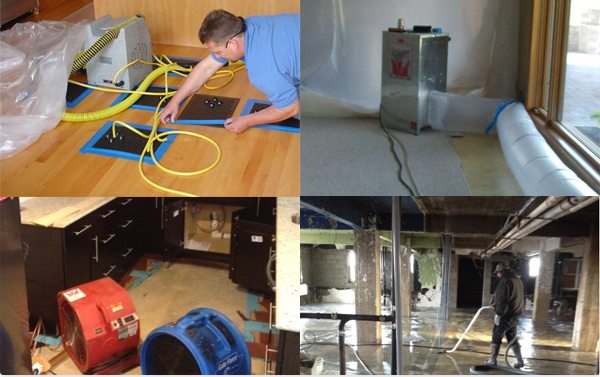
Water Removal and Basement Drying in Taylor
The visible water is only part of the problem. Moisture can remain behind walls, below flooring, under cabinets, or inside building materials after a basement or room appears dry. Careful assessment and monitoring help reduce the risk of lingering moisture, odors, and additional damage.
Our process is organized around the condition of your property. We identify the likely water source, consider the type of water involved, protect unaffected areas, and use extraction and drying equipment suited to the structure. We also communicate about damaged contents and any areas that may need cleaning or repair.
- Basement flooding, sump-pump failures, and storm-related water intrusion
- Sewer backups and contaminated-water cleanup considerations
- Frozen, burst, or leaking pipes and plumbing fixtures
- Water extraction, structural drying, dehumidification, and moisture monitoring
- Cleaning and deodorizing of affected areas and contents when appropriate
- Contents handling and pack-out planning when belongings must be moved
- Documentation to support repair planning and communication with involved parties
What the Water-Damage Restoration Process Looks Like
First, the technician reviews what happened, where the water traveled, and whether the source has been stopped. The team then identifies safety concerns and creates a practical plan for extraction and drying.
Standing water and saturated materials are removed as appropriate. Air movement and dehumidification are set up to lower moisture, while moisture readings help track conditions in flooring, walls, and other affected materials. The property is checked during the drying stage instead of being assumed dry after equipment is placed.
After the structure is dry enough for the next stage, affected areas and salvageable contents can be cleaned. The findings are then used to outline needed repairs, such as removal and replacement of materials that cannot be restored. This separation between emergency mitigation and repair planning helps keep the work organized.

Water-Damage Risks and Property Types in Taylor
Taylor is a developed city in Wayne County within the Downriver area of metropolitan Detroit. Its property mix includes single-family homes, townhomes, manufactured homes, multifamily buildings, offices, retail spaces, civic properties, and industrial sites. That means a water loss may involve a finished basement, a rental unit, a shared building system, or a larger commercial space.
The Taylor Water and Sewer Department maintains an extensive local water and sanitary sewer network, so water-main breaks, plumbing problems, and sewer issues are important considerations for property owners. The Taylor Department of Public Works also handles storm-drain maintenance and related infrastructure work, which connects local drainage conditions to basement and site-water concerns.
Taylor is part of the Downriver watershed, with streams, drainageways, lakes, ponds, and wetlands that can affect how runoff moves during heavy weather. These geographic features do not mean every property is in a floodplain, but they are useful context when evaluating water entering through a basement, foundation, roof, or floor drain.
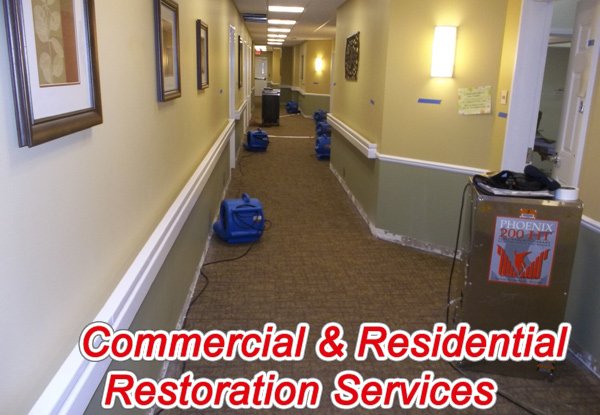
The city also has commercial and industrial areas, including Midtown Taylor and several industrial parks. Restoration planning for these properties may need to consider inventory, equipment, tenant operations, customer access, and business interruption in addition to the building materials themselves.
How Taylor Seasons Can Affect Water-Loss Risk
Local weather patterns can change the type of water problem a property faces. Winter freezing and thawing may contribute to frozen or burst pipes, roof leaks, ice-related intrusion, and emergency shutoffs. In early spring, snowmelt and heavy rain can increase basement seepage and localized drainage problems. Leaves, sediment, and winter debris may also obstruct storm drains as spring maintenance begins.
Summer thunderstorms and intense rainfall can contribute to roof leaks, sewer backups, basement flooding, and overland runoff in areas that drain slowly. In autumn, falling leaves and seasonal rain can increase clogged-drain and ponding concerns before winter arrives. Year-round risks include appliance failures, plumbing leaks, municipal water-main issues, and sanitary-sewer problems.

Serving Taylor and Nearby Communities
Michigan Disaster Pros serves properties throughout Taylor and nearby Downriver communities. We can help homeowners, landlords, property managers, and commercial owners respond to water damage in homes, rentals, offices, retail spaces, and industrial properties.
For nearby service, see our Allen Park water-damage cleanup service. If your property is in Taylor, contact Michigan Disaster Pros for help assessing the water loss and planning the next safe step.
For immediate help with water damage in Taylor, call (586) 207-9560 to discuss what happened and the next steps for your property.
Water Damage Cleanup Pricing
Restoration pricing depends on the water source, affected materials, property size, access, and the amount of extraction, drying, cleaning, and repair planning required. A property assessment helps define the scope of work.
- Small water loss: $1,000–$3,500+
- Moderate water loss: $5,000–$10,500+
- Large water loss: $10,500+
These prices are general reference points and are not a quote or estimate for a specific property. Actual restoration costs depend on the source and category of water, affected square footage, materials involved, length of exposure, equipment needs, demolition, cleaning, drying time, and repairs. The property must be evaluated before an accurate scope and price can be determined.
Frequently Asked Questions
What should I do first if my Taylor basement is flooded?
If it is safe, stop the water source and avoid electrical hazards or contaminated water. Move people and pets away from the affected area, then contact a restoration professional for assessment and water removal.
Can you help with sewage backups in Taylor?
Yes. Sewage backups require careful safety controls, removal of contaminated water, cleaning, and drying. Avoid direct contact with sewage and keep the area isolated until it can be evaluated.
How do you know whether a building is dry?
Technicians use moisture readings and visual checks to evaluate affected flooring, walls, ceilings, and contents. Monitoring during the drying stage helps confirm whether conditions are improving.
Do you serve commercial properties and rental units?
Yes. Restoration planning can be tailored for homeowners, landlords, property managers, offices, retail spaces, and other commercial properties.
Can water damage be cleaned without replacing everything?
Some materials and contents can be cleaned or dried, while others may be too damaged or contaminated to restore. The decision depends on the material, water type, moisture level, and condition.
What causes flooded basements in Taylor?
Common causes include sump-pump failures, heavy rain, drainage problems, sewer backups, foundation seepage, burst pipes, and plumbing or appliance leaks.
How soon should water extraction begin?
Water extraction should begin as soon as it is safe and practical. Prompt action can limit how far water spreads and reduce the time materials remain wet.
Will the restoration team explain what happens next?
The team should explain the source assessment, extraction, drying setup, monitoring, cleaning, and repair-planning stages. Clear updates help property owners understand the condition of the building throughout the project.