
Water in a basement can quickly affect flooring, drywall, insulation, stored belongings, and electrical areas. Michigan Disaster Pros provides 24-hour emergency service for flooded basements, plumbing leaks, sewage backups, storm water, sump-pump failures, and other water-loss situations in Ann Arbor and Washtenaw County.
Ann Arbor, Michigan Flooded Basement Cleanup Company
Our first job is to help make the property safer and understand what happened. We look for the water source, consider electrical and contamination concerns, identify affected materials, and explain the next steps. A clean supply-line leak, storm water, drain backup, and sewage loss may require very different handling.
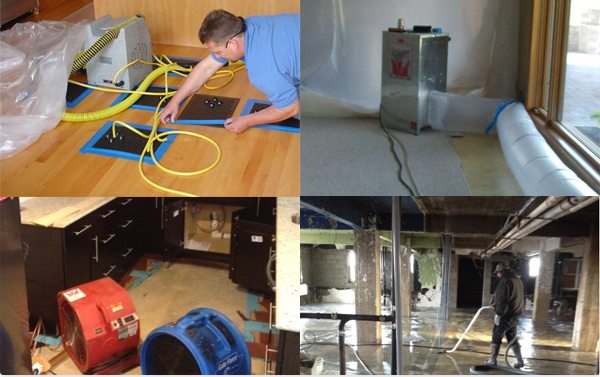
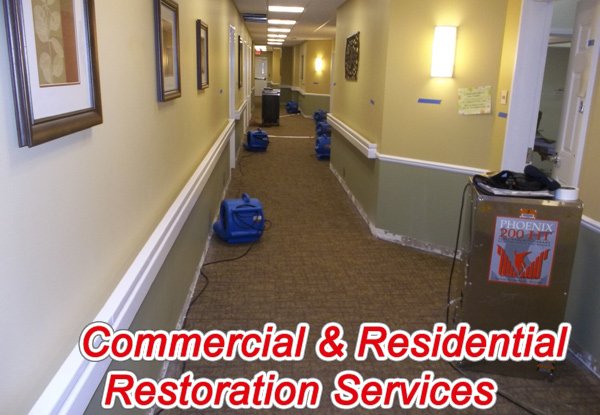
Homeowners, landlords, property managers, and commercial property owners may need help protecting contents, limiting additional damage, and keeping occupants informed. Michigan Disaster Pros uses IICRC-certified technicians, moisture meters, extraction equipment, air movers, and dehumidifiers selected for the conditions at the property.
Need Water Damage Help in Ann Arbor? Call (248) 256-2870
Equipment is only part of the work. We inspect beyond visible puddles, document moisture conditions, communicate what we find, and monitor the drying process. This gives the property owner a clearer basis for decisions instead of relying on appearance alone.

Water Damage Cleanup for Ann Arbor Homes and Businesses
Basement water damage may result from a failed sump pump, heavy rain, a burst pipe, an overflowing appliance, a sewer backup, or water entering through the foundation. In a home, water may affect finished rooms, laundry areas, storage, and personal belongings. In an apartment, office, retail space, restaurant, or other commercial property, it may also affect inventory, records, equipment, shared walls, neighboring units, elevators, or below-grade areas.
- Emergency water extraction and flooded basement cleanup
- Structural drying and dehumidification
- Moisture inspection and drying documentation
- Cleanup after plumbing leaks, storms, and sump-pump failures
- Sewage and contaminated-water cleanup with appropriate safety controls
- Contents cleaning, handling, and pack-out coordination when appropriate
- Odor control and cleaning of affected surfaces
- Coordination of needed repairs after mitigation is complete
What the Water Damage Restoration Process Looks Like
The normal process begins with an assessment of the source, affected areas, water category, materials, and immediate safety concerns. Standing water is extracted when conditions allow. Contents may be moved or protected, and damaged materials may be opened or removed when needed for access, cleaning, safety, or effective drying.
Air movers and dehumidifiers support controlled drying, while moisture readings help show whether the structure is progressing toward dry conditions. Technicians may return to monitor affected rooms, wall cavities, subflooring, framing, cabinets, and other porous materials. Once drying is complete, cleaning, odor control, contents work, and repair planning can be addressed according to the condition of the property.
If the water source is still active, shut it off only if you can do so safely. Avoid electrical equipment or outlets near standing water, keep children and pets away, and do not enter water that may contain sewage or unknown contaminants. Take photographs if it is safe, but do not delay urgent safety steps.
Ann Arbor Property Types and Local Water Conditions
Ann Arbor includes established neighborhoods with basements, newer subdivisions, student-oriented housing, multifamily properties, downtown mixed-use buildings, and large institutional facilities. The University of Michigan–Ann Arbor has academic, research, residential, athletic, and support buildings throughout the city. Michigan Medicine adds clinical, research, and support facilities where water damage may affect complex spaces and continuity-sensitive operations. These named organizations provide local property context only and are not presented as customers, partners, or endorsements.
The City of Ann Arbor Water and Public Works operates water-main, stormwater, sanitary-sewer, inlet, and catch-basin infrastructure. A basement loss may involve heavy rainfall, snowmelt, groundwater, seepage, poor yard drainage, a sump-pump problem, or a sanitary-sewer backup. The Huron River and tributary floodplains also shape drainage conditions, but risk varies by parcel, elevation, foundation design, sewer connections, and sump-pump setup.
Clear stormwater or groundwater is not the same as a grayish or odorous sanitary-sewer backup. If sewage may be involved, keep people away from the area and report the suspected incident to the city promptly. Restoration planning should account for the source and contamination level rather than treating every basement loss the same way.
Seasonal Water-Loss Risks in Ann Arbor
Ann Arbor’s changing seasons can create different water-loss risks. Winter freezing temperatures can lead to burst plumbing, ice dams, roof leaks, and sump-pump or power-loss complications. Late winter and spring bring snowmelt, saturated ground, spring rain, basement seepage, and possible sewer backups. Spring and summer thunderstorms may overwhelm localized drainage, storm sewers, inlets, or sump systems, while heavy summer rain can increase creek, river, street, and basement flooding. In fall, leaves can obstruct gutters, storm drains, and catch basins. Plumbing failures, appliance leaks, roof leaks, sewer backups, and footing-drain or sump-system problems remain possible year-round.
 <
<
Water Damage Cleanup Near Ann Arbor
Michigan Disaster Pros serves Ann Arbor and can discuss restoration needs in nearby Washtenaw County communities such as Ypsilanti, Dexter, Saline, and Chelsea. Conditions can change from one property to the next, so an assessment should focus on the actual source, affected materials, drainage, and safety concerns at the address.
For immediate help with water damage in Ann Arbor, call (248) 256-2870 to discuss what happened and the next steps for your property.
Water Damage Cleanup Pricing
Restoration pricing depends on the source, affected materials, contamination level, access, and amount of drying or cleaning required. The plugin will display the available pricing information separately.
- Small water loss: $1,000–$3,500+
- Moderate water loss: $5,000–$10,500+
- Large water loss: $10,500+
These prices are general reference points and are not a quote or estimate for a specific property. Actual restoration costs depend on the source and category of water, affected square footage, materials involved, length of exposure, equipment needs, demolition, cleaning, drying time, and repairs. The property must be evaluated before an accurate scope and price can be determined.
Frequently Asked Questions
What should I do first after my Ann Arbor basement floods?
Move people and pets away from the affected area, avoid electrical equipment near standing water, and shut off the water source only if it is safe. Do not enter water that may contain sewage or unknown contaminants.
Can you clean up water from a failed sump pump?
Yes. A sump-pump failure can require water extraction, moisture inspection, controlled drying, contents handling, cleaning, and repair planning. The exact work depends on how much water entered and which materials were affected.
Do you help with sewage backups?
Sewage backups require additional safety and contamination controls. Keep occupants away from the area and report the suspected backup to the appropriate local authority while arranging professional assessment.
Do you serve commercial properties as well as homes?
Yes. Water-loss planning may help offices, apartments, retail spaces, restaurants, and other commercial properties address affected inventory, records, equipment, shared walls, and below-grade areas.
How do technicians know whether a building is dry?
Technicians use moisture readings and inspect affected materials such as walls, flooring, subflooring, framing, cabinets, and other porous areas. Follow-up monitoring helps document drying progress beyond what is visible.
Will damaged drywall or flooring always need to be removed?
Not always. Removal depends on the water source, contamination, material condition, access, and whether the material can be safely cleaned and dried. Recommendations should be explained based on the conditions found.
Can heavy rain cause basement water damage even without river flooding?
Yes. Intense rain can overwhelm localized drainage, storm sewers, inlets, catch basins, or sump systems. Basement seepage, groundwater, and sewer backups can also vary by parcel and foundation setup.
How quickly should water damage be assessed?
An early assessment can help identify safety concerns, the water source, affected materials, and the appropriate drying plan. Prompt guidance may also help limit additional damage, but conditions should be evaluated at the property.
Call for Ann Arbor Water Damage Cleanup
When water enters your basement or business, prompt guidance can help you understand the risks and next steps. Michigan Disaster Pros provides 24-hour emergency service and uses IICRC-certified technicians to assess, clean, document, and dry affected properties. Contact us to discuss the situation and arrange an evaluation.