
Chesterfield, Michigan Flooded Basement Cleanup Service

When water enters a basement, home, or business, Michigan Disaster Pros helps address the immediate problems: standing water, soaked materials, excess moisture, and the risk of further damage. Our 24 Hour Emergency Service is available for basement flooding, plumbing leaks, sump-pump failures, sewer backups, storm water, and frozen or burst pipes.
We help homeowners, landlords, property managers, and commercial property owners in Chesterfield Township and Macomb County. An affected property may be a finished basement, rental unit, office, retail space, warehouse, or other occupied building. The first priorities are safety, water removal, and a clear plan for drying and cleanup.
Need Water Damage Help in Chesterfield? Call (586) 207-9560
Our Certified Technicians from the IICRC assess the water source, affected materials, and moisture conditions. We explain what we find, document the work, and use controlled drying methods to help limit hidden moisture and secondary damage. You can expect communication as the project moves from emergency cleanup toward restoration planning.
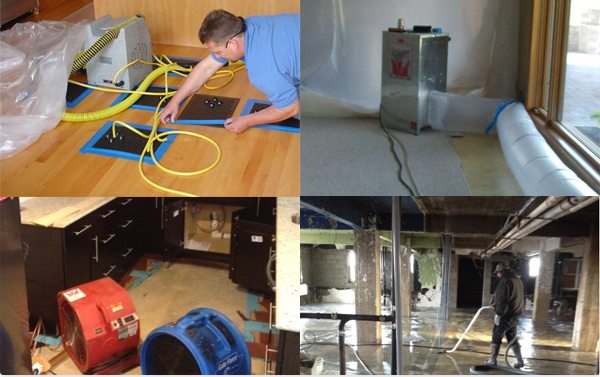
Water Removal and Basement Drying in Chesterfield
The normal restoration process starts by identifying active leaks and unsafe conditions. If possible, stop the water source and keep people away from electrical hazards, contaminated water, and unstable materials. Our team then evaluates the affected rooms, contents, flooring, walls, and structural materials before selecting the appropriate cleanup approach.
- Assessment: We inspect the property, identify the likely water category, and record visible damage and moisture conditions.
- Extraction: Standing water is removed from basements, floors, and other accessible areas.
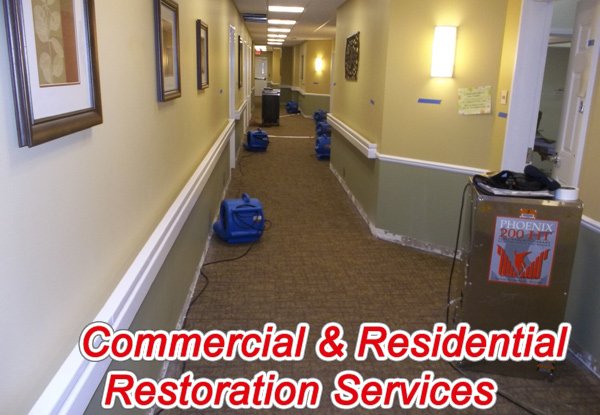
- Drying: Air movement and dehumidification are set up based on the building materials and the size of the loss.
- Monitoring: Moisture readings are checked during the project so drying decisions are based on current conditions rather than appearance alone.
- Cleaning: Salvageable contents and affected surfaces may be cleaned, deodorized, or moved for more controlled restoration work when appropriate.
- Repair planning: Once the property is dry and cleaned, we explain remaining repair needs and help separate mitigation work from rebuilding work.
Water removal is not complete simply because a floor looks dry. Moisture can remain behind baseboards, under flooring, inside wall cavities, or around foundation areas. Careful documentation and follow-up monitoring help the property owner make informed decisions about the next step.
Water-Loss Risks in Chesterfield Township
The area identified as Chesterfield is officially the Charter Township of Chesterfield, within Macomb County. Local properties include established neighborhoods, medium- and large-lot homes, commercial buildings, and industrial parcels. That mix means a water-loss project may involve a finished home basement, a rental property, a storefront, or a larger commercial space with equipment and inventory to protect.
Chesterfield Township sits along Anchor Bay, the northern portion of Lake St. Clair, and is part of the Clinton River Watershed. Waterfront, canal-adjacent, and low-lying properties may have different drainage and moisture concerns, but flood exposure varies by parcel, elevation, infrastructure, and flood-plain designation. Site conditions should be checked for the individual address rather than assumed from the broader area.
Commercial development is concentrated along the M-29 Corridor, while residential areas and waterfront properties create different access, occupancy, and drying considerations. These local property patterns help explain why each assessment must account for the building’s layout, materials, contents, and drainage conditions.
How Seasons Can Change Water-Damage Risk
Winter freezing temperatures can contribute to burst plumbing, frozen water lines, ice dams, and snow or ice intrusion. Late winter and spring may bring snowmelt, saturated ground, heavy rain, and poor drainage that affect basements and low-lying areas. Spring and summer thunderstorms can produce short-duration heavy rainfall, basement seepage, sewer backups, and localized flooding.
Summer shoreline and canal-adjacent properties may face additional exposure during high-water or storm-driven lake conditions. In fall, heavy rain, wind, and leaf-clogged surface drains can increase ponding and drainage problems. Lake St. Clair water levels are cyclical, and local planning identifies shoreline flooding and erosion as resilience concerns. These are general risks, not a prediction for any particular property.
 <
<
This hypothetical example shows the usual sequence of assessment, extraction, drying, monitoring, cleaning, and repair planning. Actual work depends on the water source, contamination level, building materials, access, and conditions found at the property.
Serving Chesterfield and Nearby Communities
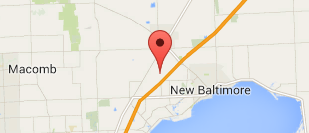
Michigan Disaster Pros provides water-damage restoration support for residential and commercial properties in Chesterfield Township and nearby parts of southeast Michigan. Property owners comparing nearby service areas can also review New Baltimore flooded basement cleanup.
Nearby communities include New Baltimore, Harrison Township, Macomb Township, Lenox Township, Ira Township, and New Haven. Conditions can differ between neighborhoods, especially where building age, basement construction, drainage, sewer connections, and proximity to waterways vary. If water is still entering the property, focus first on safety and stopping the source when it can be done safely.
A Clear Plan After Water Damage
Flooded basements and other water losses can feel overwhelming, especially when the source is unclear or the affected space is part of an active business. A documented assessment, careful extraction, controlled drying, and consistent communication can make the next decisions easier.
Before work begins, we explain the immediate priorities and the information we need from you. During the project, we track moisture conditions and share progress updates. After drying and cleaning, we help you understand what restoration or repair planning may still be needed.
For immediate help with water damage in Chesterfield, call (586) 207-9560 to discuss what happened and the next steps for your property.
Water Damage Cleanup Pricing
Restoration pricing depends on the water source, affected areas, materials, access, and drying needs. The plugin will provide the available pricing details separately.
- Small water loss: $1,000–$3,500+
- Moderate water loss: $5,000–$10,500+
- Large water loss: $10,500+
These prices are general reference points and are not a quote or estimate for a specific property. Actual restoration costs depend on the source and category of water, affected square footage, materials involved, length of exposure, equipment needs, demolition, cleaning, drying time, and repairs. The property must be evaluated before an accurate scope and price can be determined.
Frequently Asked Questions
What should I do first after a basement flood?
Keep people away from standing water near electrical equipment, address the water source only if it is safe, and contact a restoration professional for an assessment.
Can water damage be cleaned up if the floor looks dry?
Yes, but visible dryness does not confirm that the area is fully dry. Moisture can remain under flooring, behind baseboards, or inside wall cavities, so moisture readings and monitoring are important.
What causes flooded basements in Chesterfield Township?
Common causes include plumbing failures, sump-pump problems, sewer backups, storm runoff, foundation seepage, frozen pipes, and drainage conditions. The cause must be evaluated at the specific property.
How long does water-damage restoration take?
The timeline depends on the amount of water, affected materials, contamination, access, and drying conditions. An assessment can provide a more useful project outline.
Will wet drywall or flooring always need to be removed?
Not always. The decision depends on the material, how long it was wet, the water source, contamination concerns, and whether it can be properly dried and cleaned.
Do you help commercial property owners with water damage?
Yes. Restoration planning can be used for offices, retail spaces, warehouses, rental properties, and other commercial buildings, with attention to occupants, contents, equipment, and business operations.
Why is moisture monitoring part of the restoration process?
Monitoring shows whether materials are continuing to dry and helps identify moisture that may not be visible. It supports better decisions about cleaning, removal, and repair planning.
Can storm water or lake conditions affect Chesterfield properties?
Some properties may face added exposure from heavy rainfall, runoff, drainage limitations, shoreline conditions, or cyclical Lake St. Clair water levels. Risk varies by parcel and should not be assumed without checking the site.