
Clinton Township, Michigan Flooded Basement Cleanup Service

Water in a basement, crawl space, or occupied room can spread quickly and cause more than a mess. Michigan Disaster Pros provides 24-hour emergency water damage restoration in Clinton Township and Macomb County for flooded basements, plumbing failures, sump-pump problems, storm water, and sewage backups. We extract standing water, clean affected areas, and set up controlled drying to help limit further damage.
We help homeowners protect their living space, landlords and property managers respond to tenant or building damage, and commercial property owners reduce disruption after a loss. Whether the problem affects one room, an apartment building, a retail space, or a larger facility, our technicians assess the site and explain the next practical steps.
Need Water Damage Help in Clinton Township? Call (586) 207-9560
Our IICRC-certified technicians use professional extraction and drying equipment and document moisture conditions as the work progresses. You can expect clear communication about what was affected, what needs immediate attention, and when cleaning, repairs, or additional evaluation may be needed.
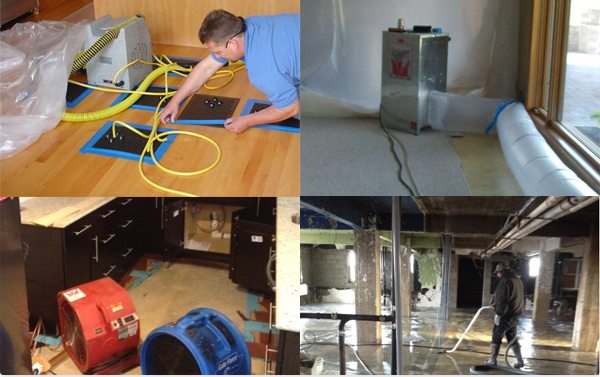
Water Removal and Basement Drying in Clinton Township
Restoration involves more than removing visible water. Moisture can remain behind walls, below flooring, under cabinets, or inside framing. Our team evaluates the water-affected materials, identifies areas that need attention, and develops a work plan based on the type and extent of the loss.
Our services may include emergency water extraction, basement and crawl-space drying, structural drying, dehumidification, cleaning, odor control, contents handling, and documentation for the restoration plan. If a roof, pipe, appliance, or other building component caused the loss, we can help identify repair needs so restoration work is planned in the right order.
- Flooded basement and crawl-space water removal
- Sump-pump failures, plumbing leaks, and burst-pipe cleanup
- Storm water and sewage-backup response
- Commercial, rental, apartment, and residential property restoration
- Contents cleaning, packing, and protected storage when appropriate
- Moisture monitoring and controlled structural drying
How the Restoration Process Works
First, we inspect the affected areas and discuss the source of the water with you. We then identify visible and hidden moisture, consider safety concerns, and separate materials or contents that may be salvageable from those that require removal.
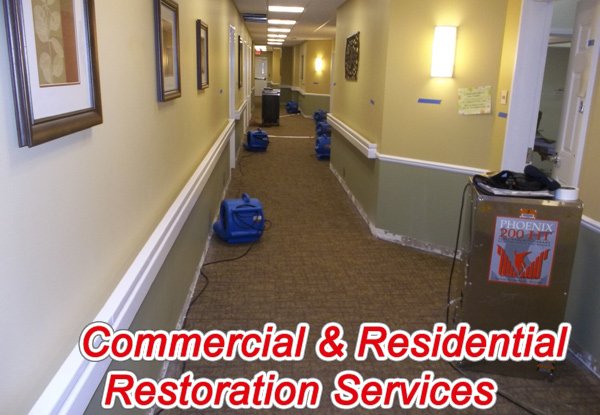
Next, we extract standing water and begin drying with air movers and dehumidification equipment. Technicians monitor moisture levels during the project rather than relying only on how surfaces feel. After drying, affected areas and contents can be cleaned as needed, followed by a repair plan for damaged drywall, flooring, trim, or other building materials.

Water Damage Risks in Clinton Township
Clinton Township is a charter township in Macomb County with a broad mix of single-family homes, condominiums, apartments, retail properties, industrial sites, and other commercial buildings. Large roofs and paved parking areas can create runoff concerns, while residential drainage systems may involve private pipes, catch basins, detention basins, rear-yard systems, homeowners associations, or property managers.
The Charter Township of Clinton Public Services Department provides township water, sewer, engineering, public-works, and stormwater information. Drainage responsibility can vary by location, however, and may involve Macomb County Public Works, MDOT, an HOA, a property manager, or a private owner. The Clinton River and Clinton River Spillway also make watershed drainage part of the local setting. These facts establish the area context only; they do not indicate that any named organization is a customer or partner of Michigan Disaster Pros.
Seasonal Water-Loss Concerns
Late winter and spring can bring freeze-thaw cycles, snowmelt, saturated ground, sewer backups, and added stress on sump pumps. Spring and summer thunderstorms may overwhelm catch basins, detention systems, private drains, and low-lying parking areas. Severe summer storms can also send wind-driven rain or runoff toward roofs, apartment properties, commercial buildings, and homes.
In fall, leaves and debris can obstruct gutters, catch basins, and private stormwater systems. During winter, frozen pipes or service lines, roof leaks, ice-dam intrusion, and repeated thawing can lead to interior water damage. These are general regional risks, not guarantees of a particular event at any property.
Nearby Water Damage Cleanup Areas
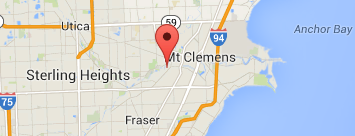
Michigan Disaster Pros also provides location-based restoration information for nearby communities, including Sterling Heights, Mount Clemens, and Roseville. Geographic proximity does not mean that any community, organization, or property listed here is a customer, partner, or endorser.
Planning for the Next Step
When water damage occurs, focus first on safety and stopping the source if it can be done without risk. Avoid using electrical equipment in standing water, and keep people away from sewage-contaminated areas until they can be assessed and cleaned properly. Once the immediate hazard is addressed, a documented assessment and controlled drying plan can help keep the project organized.
From a flooded basement to a commercial building water loss, Michigan Disaster Pros can help Clinton Township property owners understand the condition of the property, remove water, dry affected materials, and plan the next phase of restoration.
For immediate help with water damage in Clinton Township, call (586) 207-9560 to discuss what happened and the next steps for your property.
Water Damage Cleanup Pricing
Water damage restoration costs depend on the source, affected areas, water volume, materials, contents, drying needs, and repair scope. A property assessment helps establish the work required before restoration begins.
- Small water loss: $1,000–$3,500+
- Moderate water loss: $5,000–$10,500+
- Large water loss: $10,500+
These prices are general reference points and are not a quote or estimate for a specific property. Actual restoration costs depend on the source and category of water, affected square footage, materials involved, length of exposure, equipment needs, demolition, cleaning, drying time, and repairs. The property must be evaluated before an accurate scope and price can be determined.
Frequently Asked Questions
What should I do first after water damage in Clinton Township?
If it is safe, stop the water source and keep people away from electrical hazards or sewage-contaminated areas. Then arrange a professional assessment so standing water and hidden moisture can be addressed.
Can you clean up a flooded basement?
Yes. Basement cleanup may include water extraction, moisture assessment, structural drying, dehumidification, cleaning, odor control, and identifying materials that need repair or removal.
Do you help with water damage in commercial buildings?
Yes. We help commercial property owners, landlords, and property managers respond to water losses in offices, retail spaces, apartments, and other buildings while keeping communication and drying documentation organized.
How do you find moisture that is not visible?
Technicians inspect affected materials and use moisture-measuring equipment to evaluate areas such as flooring, walls, trim, and other building components. Readings can be monitored as drying continues.
What causes basement water damage in Clinton Township?
Possible causes include sump-pump failures, plumbing leaks, burst pipes, sewer backups, heavy rain, snowmelt, saturated ground, and problems with private or public drainage systems.
Can damaged contents be cleaned?
Some contents may be salvageable depending on the material, water type, and length of exposure. Items can be evaluated, cleaned, and protected as part of the restoration plan when appropriate.
How long does water damage restoration take?
The timeline depends on the amount of water, affected materials, moisture levels, source of the loss, and repair needs. Drying progress is monitored so the next steps are based on the property’s condition.
Do you provide emergency water damage service?
Michigan Disaster Pros provides 24-hour emergency service for water damage concerns in Clinton Township and the surrounding Macomb County area.