Sterling Heights, Michigan Flooded Basement Cleanup Service

Water damage can spread quickly through a basement, home, office, retail space, or other commercial property. Michigan Disaster Pros provides 24-hour emergency water damage restoration in Sterling Heights and Macomb County for basement flooding, sewage backups, burst pipes, sump-pump failures, appliance leaks, and storm-related water intrusion.
We help homeowners protect their living space, landlords and property managers respond to tenant or building damage, and commercial property owners limit disruption to their operations. Our certified technicians from the IICRC assess the affected areas, remove standing water, and set up a controlled drying plan for the structure and contents.
Need Water Damage Help in Sterling Heights? Call (586) 207-9560
You can expect clear updates as the work progresses. The goal is not only to remove visible water, but also to document moisture, dry concealed areas, reduce the chance of additional damage, and identify cleaning or repair needs before the project is complete.
Water Removal and Basement Drying in Sterling Heights
Our first step is a careful assessment of the water source, affected materials, and safety concerns. We help determine whether the loss involves clean water, contaminated water, or sewage so that the proper precautions and cleaning methods can be used. If an active leak is still present, it should be stopped by a qualified plumber or utility professional when needed.
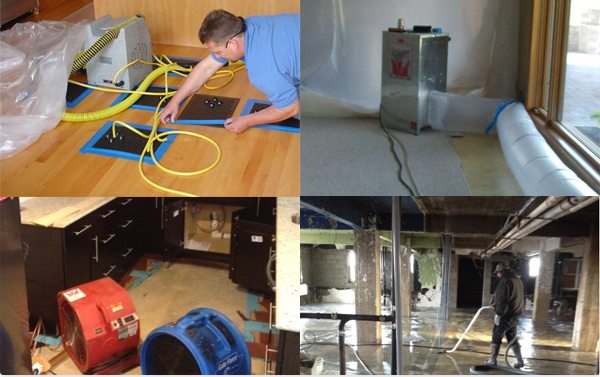
After the assessment, the normal restoration process may include water extraction, removal of unsalvageable materials, contents handling, cleaning, disinfection when appropriate, and structural drying. Air movers and dehumidification equipment can help remove moisture from floors, walls, and other building materials. Moisture readings and follow-up checks help guide the drying plan instead of relying only on how a surface feels.
Some contents may need separate cleaning, deodorizing, or temporary storage. We will explain what can reasonably be restored and what may require repair or replacement. If the building needs reconstruction after drying, we can help document the conditions and plan the next stage with the property owner or manager.
- Basement flooding, sewer backups, and storm water intrusion
- Frozen, burst, or broken pipe water losses
- Sump-pump failures and appliance leaks
- Water extraction, structural drying, and dehumidification
- Contents cleaning, pack-out planning, and odor control
- Moisture documentation and repair planning

Water-Loss Conditions in Sterling Heights
Sterling Heights is in Macomb County and has established single-family neighborhoods alongside multifamily, office, retail, industrial, and mixed-use properties. That property mix means a water loss may involve a finished basement, a condominium, a tenant space, a warehouse area, or a larger commercial building. Owner-occupied homes are common, while commercial corridors add different concerns such as inventory, equipment, and business interruption.
The city lies within the Clinton River watershed, which includes local drains, streams, ponds, wetlands, and stormwater infrastructure. The Clinton River, Red Run Drain, Plumbrook Drain, and Beaver Creek are identified as potential flood sources during heavy storms, snowmelt, or ice jams. The Sterling Relief Drain is another major stormwater corridor in the area. These conditions provide useful local context, but flood exposure and drainage performance still vary by parcel.
Much of the city drains somewhat poorly, so grading, foundation drainage, sump systems, and stormwater routing can affect how a property responds to heavy precipitation. A specific address may also have relevant parcel, soil, utility, subdivision, condominium, or flood-area information. The City of Sterling Heights advises property owners to review official flood maps or contact its Office of Engineering for parcel-level information.
How Sterling Heights Seasons Can Affect Water-Loss Risk
Winter can bring frozen supply lines, burst pipes, basement flooding during thaws, and water intrusion after snow or ice accumulation. In late winter and spring, snowmelt, rain-on-snow, saturated soil, and higher flows in rivers and drains can increase pressure on drainage systems. Spring and summer thunderstorms may overwhelm storm drains or other developed-area conveyance routes, while sump-pump failures and wind-driven rain can create localized losses.
In fall, heavy rain combined with leaves or debris can reduce inlet and ditch capacity, and early freezes can stress exposed plumbing. These are planning considerations rather than a forecast or guarantee of damage. Properties near the Clinton River, identified drains, floodplain areas, or low-lying drainage corridors should receive a parcel-specific review.
What a Typical Water-Loss Project May Look Like
Imagine a hypothetical Sterling Heights homeowner discovers several inches of water in a finished basement after a sump-pump failure during a summer storm. The restoration team first discusses safety and the source of the water, then documents affected rooms and checks moisture in flooring, baseboards, drywall, and nearby contents.
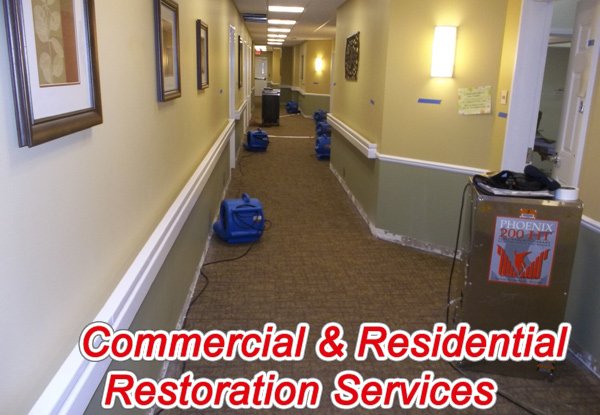
Next, standing water is extracted and damaged materials are evaluated. Equipment is placed to move air and control humidity, while moisture readings are recorded during follow-up visits. Items that can be restored are separated for cleaning, and the homeowner receives updates about drying progress, contents, and possible repairs. This example is only a typical scenario, not a customer testimonial or a promise that every project will follow the same sequence.
Serving Sterling Heights and Nearby Communities
Michigan Disaster Pros serves residential and commercial properties in Sterling Heights and nearby Macomb County communities. Property owners looking for related local service information can also review our Shelby Township flooded basement cleanup services, Clinton Township flooded basement cleanup company, and Troy emergency flooded basement cleanup pages.
Nearby areas include Shelby Township, Utica, Clinton Township, Fraser, Warren, and Troy. Conditions can differ between neighborhoods and parcels, so the restoration plan should be based on the actual source, water category, affected materials, and building layout.

What to Do After Water Enters Your Property
If it is safe to do so, stop the water source and keep people away from electrical hazards, contaminated water, and unstable materials. Avoid using household vacuums or electrical equipment in standing water. Move undamaged items away from the affected area only when doing so will not put anyone at risk, and contact Michigan Disaster Pros for a professional assessment.
Early extraction and controlled drying can make it easier to identify hidden moisture and reduce the chance of lingering odors or additional material damage. We will explain the next steps for your home, rental property, office, retail space, or other commercial building and keep the restoration plan focused on the conditions found at the property.
For immediate help with water damage in Sterling Heights, call (586) 207-9560 to discuss what happened and the next steps for your property.
Water Damage Cleanup Pricing
Water restoration pricing depends on the source of the loss, water category, affected area, materials, contents, and drying needs. The plugin will provide the available pricing information separately.
- Small water loss: $1,000–$3,500+
- Moderate water loss: $5,000–$10,500+
- Large water loss: $10,500+
These prices are general reference points and are not a quote or estimate for a specific property. Actual restoration costs depend on the source and category of water, affected square footage, materials involved, length of exposure, equipment needs, demolition, cleaning, drying time, and repairs. The property must be evaluated before an accurate scope and price can be determined.
Frequently Asked Questions
What should I do first after basement flooding in Sterling Heights?
If it is safe, stop the water source and keep people away from electrical hazards or contaminated water. Do not use electrical equipment in standing water. Contact a restoration professional for an assessment, extraction, and drying plan.
Do you help with commercial water damage?
Yes. Water restoration can be planned for offices, retail spaces, industrial properties, multifamily buildings, and other commercial locations as well as homes.
Can you remove water from a finished basement?
A restoration assessment can identify standing water, affected flooring and walls, hidden moisture, and contents that may need cleaning or removal. The work plan depends on the water source and the materials involved.
How do you dry areas that look dry on the surface?
Technicians use moisture checks and drying equipment such as air movers and dehumidification equipment to evaluate and dry affected building materials, including areas that may hold concealed moisture.
What happens if the water came from a sewer backup?
Sewage-related water requires additional safety precautions and specialized cleaning. Keep people and pets away from the area and arrange for a professional assessment before cleanup begins.
Can water-damaged belongings be restored?
Some contents may be cleaned, deodorized, dried, or stored while the structure is being restored. The appropriate method depends on the material, the type of water, the amount of exposure, and the condition of the item.
Does every Sterling Heights property have the same flood risk?
No. Drainage and flood exposure vary by parcel. Property owners should review official flood maps or contact the City of Sterling Heights Office of Engineering for property-specific information.
Can restoration begin before all repairs are planned?
Yes. Emergency work often starts with stopping the source when possible, extracting water, documenting conditions, and drying the structure. Repair or reconstruction planning can follow once the affected materials and moisture conditions are better understood.