
Dearborn, Michigan Flooded Basement Cleanup Service

When water enters a Dearborn home or business, the immediate goal is to remove standing water, limit further damage, and identify moisture that may be hidden behind walls, under flooring, or below finished materials. Michigan Disaster Pros provides 24-hour emergency service for flooded basements, plumbing leaks, sump-pump failures, storm water, sewage backups, and other water losses.
We help homeowners, landlords, property managers, and commercial property owners address water damage in a practical, organized way. Whether the affected area is a finished basement, rental unit, office, storefront, medical space, or industrial property, our technicians assess the conditions and explain the next steps before work begins.
Need Water Damage Help in Dearborn? Call (248) 256-2870
Our technicians are certified by the IICRC and use professional extraction and drying equipment. We document moisture conditions, communicate updates, and adjust the drying plan as the property changes. Acting promptly can help reduce the chance of avoidable secondary damage and make repair planning easier.
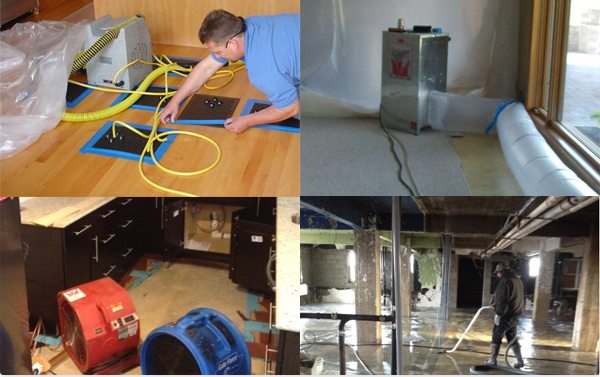
Water Removal and Basement Drying for Homes and Businesses
Water restoration is more than pumping out a basement. The source of the water, the type of water involved, how long materials have been wet, and the construction of the property all affect the safe response. We can help with water extraction, structural drying, dehumidification, contents cleaning, odor concerns, and preparation for needed repairs.
- Flooded basements, broken sump pumps, plumbing leaks, and sewer backups
- Frozen or burst pipes and water from storms or roof leaks
- Moisture inspection and documentation for affected rooms and materials
- Contents cleaning, pack-out planning, and protection of salvageable belongings
- Controlled drying for drywall, flooring, framing, and other structural materials
We keep the property owner or manager informed as work progresses. If materials cannot be dried or cleaned safely, we explain the concern and help organize the repair planning that follows mitigation. The goal is a clear path from the first assessment to a safer, drier property.

What the Normal Restoration Process Looks Like
- Initial assessment: We inspect the affected areas, look for the water source, consider safety concerns, and identify visible and concealed moisture.
- Water removal: Standing water is extracted with equipment suited to the size and condition of the loss.
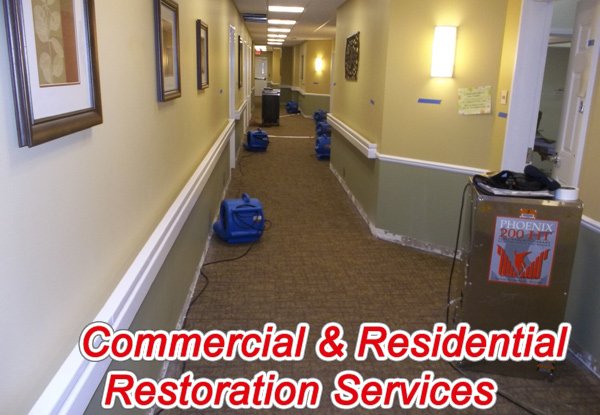
- Drying setup: Air movers and dehumidification equipment are placed to support controlled drying while protecting unaffected areas.
- Moisture monitoring: We check materials and humidity during the project, document progress, and make adjustments when readings show that more drying is needed.
- Cleaning: Affected contents and surfaces are cleaned according to the type of water and the condition of the materials.
- Repair planning: Once mitigation is complete, we explain remaining damage and the repair steps that may be needed to rebuild the space.
Understanding Dearborn Properties and Local Flood Conditions
Dearborn is in Wayne County and includes established single-family neighborhoods, rental housing, duplexes, older basements, commercial corridors, and large industrial and institutional properties. The Ford Motor Company Rouge Complex reflects the city’s substantial manufacturing and industrial land use, while the city’s east and west downtown districts include older storefronts, restaurants, offices, and mixed commercial buildings. These different property types can require different access, containment, contents, and drying plans.
The City of Dearborn Department of Public Works Water and Sewerage Division handles reports involving drainage, sewer backups, street flooding, water-main breaks, and related public water issues. A property owner should report a suspected public-system problem to the appropriate city department while arranging restoration for damage inside the building. Dearborn is also a downriver community along the Rouge River, so drainage capacity, backwater, and sewer conditions can be relevant when evaluating a flooded basement.
Dearborn’s Seasonal Water-Damage Risks
Local risks can change throughout the year. In winter, freezing temperatures may contribute to burst pipes, ice-related roof drainage problems, or outages that affect sump pumps. Late winter and spring can bring snowmelt and heavy rain at the same time, increasing basement-backup risk. Spring and summer thunderstorms may cause short-duration heavy rain, street flooding, sewer backups, roof leaks, or tree damage. In fall, leaves and debris can obstruct gutters, curb inlets, and storm drains; Dearborn’s loose-leaf collection generally runs from late October into early December. Low-lying areas near the Rouge River and locations with limited stormwater capacity remain relevant to flood-response planning year-round.

Serving Dearborn and Nearby Communities
Michigan Disaster Pros serves property owners dealing with water damage in Dearborn and nearby communities, subject to current service availability. For related flooded-basement cleanup information, see our pages for Detroit, Michigan and Allen Park, Michigan. Nearby areas may include Dearborn Heights and Melvindale as well, but coverage should be confirmed directly before scheduling service.
If water is still entering the property, stop the source when it is safe to do so, avoid electrical hazards, and move people and pets away from contaminated water. A prompt assessment can help determine what can be dried, what needs cleaning, and what repairs should be planned next.
For immediate help with water damage in Dearborn, call (248) 256-2870 to discuss what happened and the next steps for your property.
Water Damage Cleanup Pricing
Restoration pricing depends on the water source, affected materials, project size, contents, and drying needs. The plugin will provide the available pricing details separately.
- Small water loss: $1,000–$3,500+
- Moderate water loss: $5,000–$10,500+
- Large water loss: $10,500+
These prices are general reference points and are not a quote or estimate for a specific property. Actual restoration costs depend on the source and category of water, affected square footage, materials involved, length of exposure, equipment needs, demolition, cleaning, drying time, and repairs. The property must be evaluated before an accurate scope and price can be determined.
Frequently Asked Questions
What should I do first if my Dearborn basement is flooded?
If it is safe, stop the water source and keep people away from electrical hazards or contaminated water. Contact a restoration professional for an assessment, extraction, and drying plan.
Can you help with sewage backups?
Yes. Sewage backups require careful safety procedures, water removal, cleaning, and drying. Avoid contact with the water until the area has been assessed.
Do you serve commercial properties in Dearborn?
Yes. Service can support commercial property owners, landlords, and property managers, including offices, storefronts, rental buildings, and larger facilities. Current availability should be confirmed when you call.
How do you know when a building is dry?
Technicians monitor moisture in affected materials and indoor humidity during the project. Drying equipment and the work plan are adjusted based on documented conditions.
Can wet belongings be cleaned?
Some contents may be cleaned or dried, depending on the material, the type of water, and how long the item was exposed. The restoration team can help identify items that may be salvageable.
What causes flooded basements in Dearborn?
Possible causes include heavy rain, snowmelt, sewer backups, sump-pump failures, plumbing leaks, frozen pipes, drainage problems, and water-main issues. The cause can vary by property.
Should I remove wet drywall after water damage?
Not always. The decision depends on the water type, the material, the extent of saturation, and whether the material can be safely dried. An assessment can help determine the appropriate next step.
How quickly should water damage be addressed?
Water damage should be assessed as soon as practical. Prompt extraction and controlled drying may reduce the chance of additional damage and help clarify the repair scope.