Detroit, Michigan Flooded Basement Cleanup Service

Water damage can spread quickly through flooring, walls, contents, and hidden building materials. Michigan Disaster Pros provides 24-hour emergency service for flooded basements, plumbing leaks, sewage backups, storm water, and other water losses in Detroit and Wayne County. We extract standing water, clean affected areas, and set up controlled drying for homes and businesses.
We help homeowners, landlords, property managers, and commercial property owners respond to sudden water damage. Whether a basement has taken on water or a leak has affected an occupied business, the first priorities are safety, water removal, and limiting additional damage.
Need Water Damage Help in Detroit? Call (248) 256-2870
Our IICRC-certified technicians begin with an assessment of the affected areas and explain what they find. Moisture documentation, appropriate drying equipment, and regular communication help you understand what is wet, what is being dried, and what may need cleaning or repair planning.
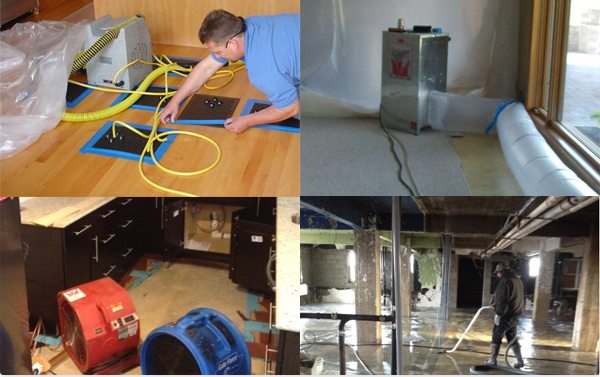
Water Removal and Basement Drying in Detroit
Restoration is more than pumping out visible water. Moisture can remain under flooring, behind baseboards, inside walls, and around insulation. We use extraction and drying equipment suited to the conditions, then monitor moisture levels as the property dries. If water may be contaminated, such as from a sewage backup, the work requires added safety and cleaning controls.
- Flooded basement and storm-water cleanup
- Sewer-backup and contaminated-water response
- Broken pipe, appliance, sump-pump, and plumbing-leak cleanup
- Structural water extraction and controlled drying
- Contents cleaning and pack-out planning when appropriate
- Moisture documentation and repair planning after drying
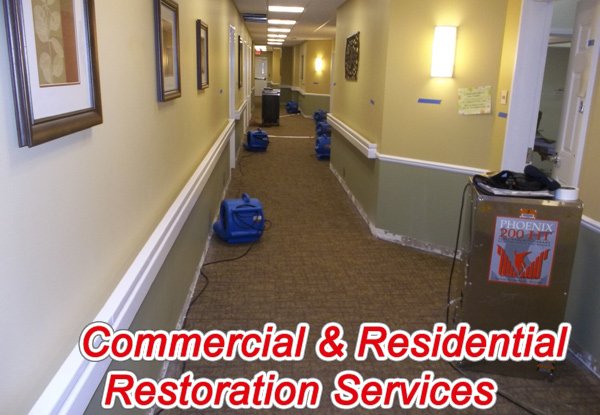
We work with both residential and commercial properties. For landlords and property managers, clear updates can help coordinate occupants, access, and next steps. For businesses, an organized response can help identify affected work areas and reduce unnecessary disruption while restoration planning continues.

What the Restoration Process Usually Involves
Every loss is different, but a typical project starts with an inspection of the source, affected materials, and safety concerns. If the source is still active, it should be stopped by the appropriate plumber, utility provider, or other qualified professional. We then outline the immediate cleanup and drying priorities.
- Assessment: We inspect visible and suspected moisture, consider the water source, and document affected areas.
- Water extraction: Standing water is removed from floors, basements, and other accessible areas.
- Cleaning and containment: Materials and contents are cleaned according to the type of water and the condition of the property.
- Drying and monitoring: Air movement and dehumidification are used as needed, with moisture checks to track progress.
- Repair planning: Once the area is clean and adequately dry, remaining repairs, replacement needs, and reconstruction steps can be identified.
Do not enter areas with standing water near electrical equipment, and use caution around sewage, damaged ceilings, or weakened flooring. Some electrical, structural, mold, and sanitation hazards require licensed or specialized professionals.
Detroit Properties, Infrastructure, and Seasonal Water Risks
Detroit is the county seat of Wayne County and includes a wide mix of older homes, duplexes, apartments, converted lofts, commercial buildings, and institutional properties. Downtown and Midtown have dense residential and business areas, while other neighborhoods include many properties with basements and aging plumbing, foundations, sewer laterals, or drainage connections. These conditions vary by parcel and should be inspected rather than assumed.
The Detroit Water and Sewerage Department manages municipal water and sewer services. Combined sewer infrastructure, catch basins, stormwater pipes, private laterals, and basement drainage can all affect how a property responds to heavy rain or a backup. The Wayne State University area and the medical campus around Henry Ford Hospital also illustrate the range of larger mixed-use, institutional, utility, and below-grade spaces found in Detroit. These entities provide geographic context only and are not customers, partners, or endorsements.
How Detroit Weather Can Affect Water Losses
Winter freezes can lead to burst pipes, frozen service lines, ice dams, and water intrusion. In late winter and spring, snowmelt combined with rain may increase seepage, sewer backups, and localized flooding. Spring and summer thunderstorms can overwhelm catch basins and basement drainage, while intense summer rain can create urban flooding. In fall, rain, wind, and leaves around catch basins may contribute to localized drainage problems. Plumbing leaks, appliance failures, sewer backups, and roof or foundation leaks remain possible year-round.
Serving Detroit and Nearby Communities
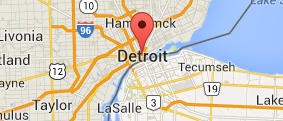
Michigan Disaster Pros serves Detroit property owners and can also help with water-loss needs in nearby communities, including Dearborn. Hamtramck, Highland Park, Dearborn Heights, River Rouge, Ecorse, Grosse Pointe Park, and Harper Woods are separate communities with their own governments and utility systems, so local conditions and service arrangements may differ.
If water is affecting your basement, home, rental property, or business, focus first on safety and stopping the source when possible. A professional assessment can help determine what needs to be removed, cleaned, dried, monitored, or repaired.
Detroit Water Damage Cleanup for Homes and Businesses
From a small plumbing leak to a flooded basement or storm-related loss, the right response depends on the source, the type of water, the materials affected, and how long the moisture has been present. Michigan Disaster Pros provides 24-hour emergency service and uses IICRC-certified technicians to help guide the property from initial assessment through drying and repair planning.
For immediate help with water damage in Detroit, call (248) 256-2870 to discuss what happened and the next steps for your property.
Water Damage Cleanup Pricing
Restoration pricing depends on the water source, affected materials, contamination concerns, property size, and the equipment and services required. An assessment helps define the scope of work.
- Small water loss: $1,000–$3,500+
- Moderate water loss: $5,000–$10,500+
- Large water loss: $10,500+
These prices are general reference points and are not a quote or estimate for a specific property. Actual restoration costs depend on the source and category of water, affected square footage, materials involved, length of exposure, equipment needs, demolition, cleaning, drying time, and repairs. The property must be evaluated before an accurate scope and price can be determined.
Frequently Asked Questions
What should I do first after water damage in my Detroit property?
If it is safe, stop the source of the water and keep people away from electrical hazards or contaminated water. Then contact a restoration professional for an assessment and water-removal plan.
Can you clean up a flooded basement?
Yes. Basement cleanup may include water extraction, contents handling, cleaning, structural drying, moisture monitoring, and repair planning.
Do you respond to sewage backups?
Yes. Sewage backups require added safety, containment, cleaning, and sanitation procedures because the water may be contaminated.
How do you know when a property is dry?
Technicians use moisture checks and documentation to track affected materials during the drying process. Drying equipment and follow-up monitoring are adjusted to the property’s conditions.
Do you help landlords and property managers?
Yes. Restoration planning can help landlords and property managers coordinate access, occupants, contents, cleanup, drying, and repair needs.
Can you help with commercial water damage?
Yes. Commercial restoration may address offices, retail spaces, apartments, utility areas, mechanical rooms, and other affected parts of a business property.
What causes water damage during Detroit winters?
Freezing temperatures can contribute to burst pipes, frozen service lines, ice dams, and water intrusion. A prompt inspection can help identify both visible and hidden moisture.
Will every water-damaged material need to be replaced?
Not necessarily. The decision depends on the material, the type of water, the amount of moisture, contamination concerns, and whether the material can be safely cleaned and dried.