Emergency water cleanup in St. Clair Shores, Michigan, helps remove standing water, limit additional damage, and begin drying after a flooded basement, plumbing failure, sewage backup, appliance leak, or storm event. Michigan Disaster Pros provides 24-hour emergency service for residential and commercial properties in St. Clair Shores and Macomb County.
St. Clair Shores, Michigan Flooded Basement Cleanup Service

We help homeowners, landlords, property managers, and commercial property owners respond when water reaches floors, walls, contents, or building systems. A fast, organized response can make it easier to protect belongings, identify affected materials, and determine what needs to be cleaned, dried, repaired, or replaced.
Our process starts with an assessment of the source and extent of the loss. Certified technicians from the IICRC use professional extraction and drying equipment, document moisture conditions, and explain what they find so you can make informed decisions about the property. We also keep communication clear as the work progresses.
Need Water Damage Help in St. Clair Shores? Call (586) 207-9560
Water Removal and Basement Drying in St. Clair Shores
Water restoration is more than pumping out a basement. Water can move behind walls, under flooring, into insulation, and around foundation areas where it is not visible. We identify affected areas, remove standing water, and set up controlled drying based on the building materials and the amount of moisture present.
Our team can help with flooded basements, broken or frozen pipes, failed sump pumps, sewer backups, roof leaks, storm-related water intrusion, and accidental indoor leaks. We work in homes, rental properties, offices, retail spaces, and other commercial buildings while considering how the loss affects occupants, tenants, employees, and customers.
- Water extraction and structural drying
- Moisture checks and drying documentation
- Cleaning and deodorizing of affected areas
- Contents handling and pack-out planning when appropriate
- Basement, flooring, drywall, and building-material assessment
- Repair planning after cleanup and drying are complete
If the water source is still active, shut it off when it is safe to do so and avoid electrical hazards or contaminated water. We can help you understand the next practical steps and coordinate the restoration work around the condition of your property.

What the Water Restoration Process Usually Includes
Every loss is different, but a typical project follows a clear sequence. First, we inspect the property, discuss what happened, and look for visible and hidden moisture. We also consider the water source, affected materials, access, safety concerns, and whether the building can remain occupied.
Next, we remove standing water with professional extraction equipment. Damaged contents may be moved or separated, and materials that cannot be reasonably restored may be identified for removal. Cleaning methods depend on the water condition and the surfaces involved.
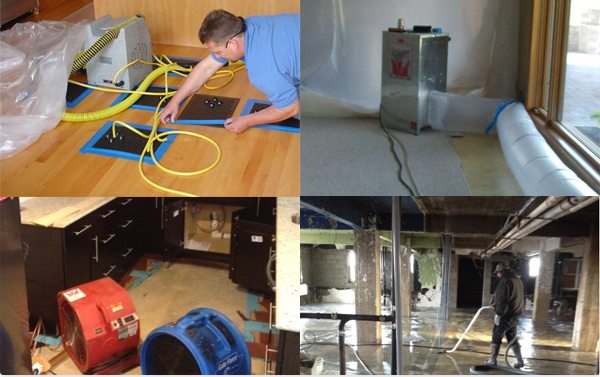
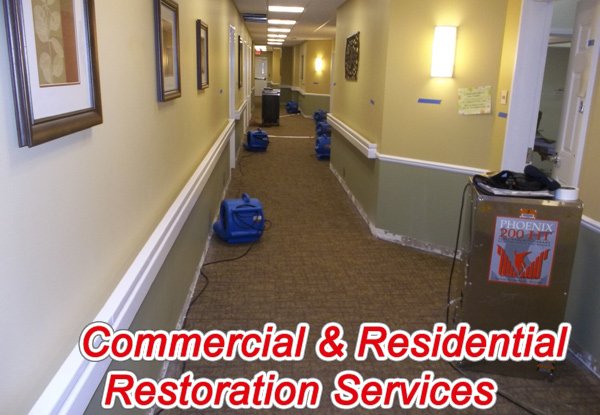
Drying then continues with air movers, dehumidification, and other equipment selected for the space. Moisture readings and job notes help track progress rather than relying only on how dry a surface feels. We monitor the affected areas, adjust equipment as needed, and explain the results to the property owner or manager.
After structural drying, the team can address cleaning, odor concerns, and contents needs. Repair planning follows the documented condition of the property and may include drywall, flooring, trim, paint, or other construction work. This step-by-step approach helps separate emergency mitigation from decisions about permanent repairs.
Who We Help After a Water Loss
Homeowners may need help protecting living areas and personal belongings after a basement or interior leak. Landlords and property managers often need organized communication about tenant spaces, access, safety, and the condition of multiple units. Commercial property owners may need a plan that supports cleanup while limiting disruption to offices, shops, warehouses, and other operations.
Water-Loss Conditions in St. Clair Shores
St. Clair Shores is an established inner-ring suburb in Macomb County with older single-family neighborhoods, substantial basement inventory, and commercial and institutional properties along corridors such as Harper Avenue, Jefferson Avenue, Little Mack Avenue, and the Mile roads. Flat terrain, impervious surfaces, aging plumbing, foundation drainage, sump systems, and roof drainage can all affect how water moves through a property.
The city also occupies the western shore of Lake St. Clair, with lakefront and canal-adjacent properties that may include seawalls, bulkheads, docks, and other waterfront structures. Shoreline position, high water, wind, erosion, and drainage design can change the way a particular property experiences a water event. The St. Clair Shores Stormwater Utility operates a network of pumping stations that helps move water from roads and properties into the drainage system, while Macomb County Public Works manages county drains and regional infrastructure that ultimately drains toward Lake St. Clair.
The St. Clair Shores Planning Department provides local planning context for residential neighborhoods, commercial development, and infrastructure. These city features do not determine the condition of any individual parcel, so an on-site assessment remains important after water enters a building.
How St. Clair Shores Seasons Can Affect Water Damage
Winter freezing, frozen ground, ice, and freeze-thaw cycles can contribute to burst pipes, roof or ice-dam leaks, and basement seepage. In late winter and spring, snowmelt combined with rain can increase runoff and place added pressure on pumps and drainage systems. Spring and summer thunderstorms may overwhelm drainage around low-lying properties, paved areas, and commercial parking lots.
Summer and fall winds or rapid lake-level changes can affect Lake St. Clair shorelines, canals, seawalls, and waterfront structures. In fall, wind-driven rain, leaves, and blocked roof or surface drains can contribute to localized intrusion. These are general local risk patterns, not a parcel-specific flood determination.

Serving St. Clair Shores and Nearby Communities
Michigan Disaster Pros provides water damage cleanup and restoration support for properties in St. Clair Shores and nearby Macomb County communities. For related service information, see our Roseville flooded basement cleanup service and Detroit flooded basement cleanup company pages.
Nearby areas include Eastpointe, Roseville, Harper Woods, Grosse Pointe Woods, Grosse Pointe Shores, and Detroit. These communities are listed for geographic context, and property conditions can vary by neighborhood, drainage design, building age, and proximity to local or county drains.
When water is affecting your home, rental property, or business, the next step is a careful assessment and a plan for extraction, drying, cleaning, and repairs. Our team can help organize that process and keep you informed as the condition of the property becomes clearer.
For immediate help with water damage in St. Clair Shores, call (586) 207-9560 to discuss what happened and the next steps for your property.
Water Damage Cleanup Pricing
Water restoration pricing depends on the source, water category, affected materials, size of the loss, contents, and drying requirements. A property assessment helps define the necessary work before restoration proceeds.
- Small water loss: $1,000–$3,500+
- Moderate water loss: $5,000–$10,500+
- Large water loss: $10,500+
These prices are general reference points and are not a quote or estimate for a specific property. Actual restoration costs depend on the source and category of water, affected square footage, materials involved, length of exposure, equipment needs, demolition, cleaning, drying time, and repairs. The property must be evaluated before an accurate scope and price can be determined.
Frequently Asked Questions
What should I do first after basement flooding in St. Clair Shores?
If it is safe, stop the water source and avoid electrical hazards or contaminated water. Then request a professional assessment so standing water, hidden moisture, and affected materials can be evaluated.
Can you help with water damage in a commercial building?
Yes. Water restoration services can support offices, retail spaces, rental properties, and other commercial buildings with extraction, drying, cleaning, moisture documentation, and repair planning.
How long does water damage drying take?
The time depends on the amount of water, building materials, temperature, humidity, ventilation, and how quickly the source was stopped. Moisture readings help determine when affected materials have dried sufficiently.
Do you handle sewage backups?
Sewage backups require careful containment, removal, cleaning, and disinfection because the water may be contaminated. The affected area should be assessed before cleanup begins.
Can a flooded basement cause mold or odors?
Persistent moisture can contribute to odors and microbial growth. Prompt extraction, controlled drying, cleaning, and moisture monitoring can help reduce those risks.
What happens to belongings affected by water?
Contents may be evaluated, separated, cleaned, dried, or documented based on their condition and the type of water involved. Some items may not be restorable and will require separate decisions.
Do you provide water damage documentation?
The restoration process can include moisture readings, affected-area notes, equipment records, and progress updates to help property owners understand the work being performed.
Can you help after a burst pipe or failed sump pump?
Yes. These are common causes of interior and basement water damage. The response generally includes source control, water extraction, drying, cleaning, and planning for repairs.